 Indian Chamber of Commerce,
 The Bengal Chamber |
 IATA Authorized |
 National Skill Development Corporation |
 DGCA-Approved for Dangerous Goods Training (DGR) |
 Members of the Confederation of Indian Industry (CII) |
 Federation of Indian Chambers of Commerce and Industry
 Ministry of Education
 MoE's Innovation Cell
 Institution's Innovation Council
 AICTE Approved
 We Offer Student Credit Card (Authorized by The Government of West Bengal)

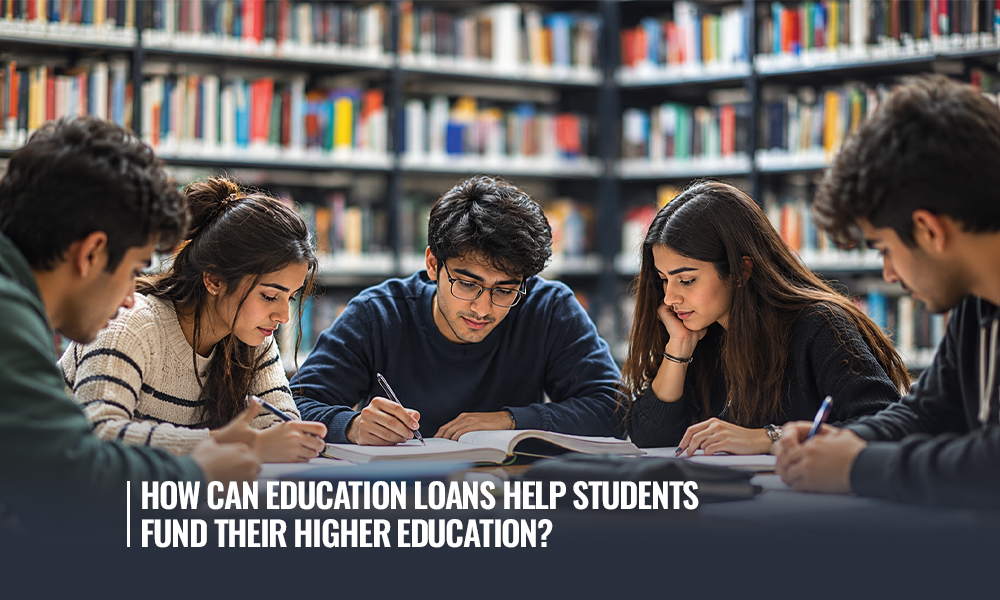
Higher education opens doors to new career opportunities, specialized knowledge, and personal growth. For many students, getting into a preferred college is an exciting achievement. However, tuition fees, accommodation, books, travel, and other academic expenses can put considerable pressure on family finances.
An education loan for higher studies offers a practical way to manage these costs and pursue higher studies without paying the entire amount upfront. Students and families can make informed financial decisions and focus on building a promising future with proper planning,
Making Higher Education More Affordable
The cost of higher education varies depending on the course, institution, and location. Professional degrees, postgraduate programmes, and studies abroad may require a substantial financial commitment. Paying these expenses from personal savings alone may be difficult for many families.
Education loans help bridge this financial gap by covering eligible academic expenses through borrowed funds. Depending on the lender and loan terms, the amount may cover tuition fees, examination charges, hostel accommodation, books, equipment, and certain other education-related costs.
This financial support allows students to consider suitable courses and institutions based on their academic interests and career plans, rather than limiting their choices solely because of immediate financial constraints.
Reducing the Immediate Financial Burden on Families
Parents work hard to provide their children with good educational opportunities. However, using savings to pay the entire cost of a degree course may leave limited funds for household expenses, medical needs, or future financial commitments.
An education loan spreads the financial responsibility over a longer period. Instead of arranging the full course fee at once, families may borrow the required amount and repay it according to the agreed terms.
Many education loans also offer a moratorium period, which generally includes the course duration and an additional period specified by the lender. Repayment of the principal usually begins after this period, although interest may accrue and repayment obligations can vary. Understanding these conditions before borrowing helps families plan their finances more effectively.
Helping Students Build Their Future
The right qualification may help students develop specialized skills and improve their employment prospects. Whether someone wishes to study engineering, management, healthcare, aviation, law, or another professional discipline, financial limitations should be carefully evaluated alongside academic suitability.
Education loans provide an additional funding option for students who need financial assistance to pursue their chosen programmes. They may also support eligible students planning to study abroad, where tuition fees and living expenses can be considerably higher.
However, borrowing should be based on realistic expectations. Students should research the course curriculum, institution's reputation, employment opportunities, and likely starting salaries before committing to a substantial loan.
Building Financial Responsibility
Taking an education loan introduces students to important financial responsibilities. Understanding interest rates, repayment schedules, loan tenure, and borrowing limits helps them develop better money management habits.
Students should compare lenders based on the annual interest rate, processing fees, collateral requirements, repayment flexibility, and available concessions. They should also check whether interest accumulates during the study period and whether any government interest subsidy scheme applies to their circumstances.
A smaller loan that covers the actual funding gap may be preferable to borrowing the maximum amount available. Keeping track of expenses and discussing repayment expectations with family members can also help prevent financial stress after graduation.
What Students Should Consider Before Applying
Before applying for an education loan, students should prepare a realistic estimate of their total course expenses and identify how much funding they need. Reviewing eligibility criteria, required documents, co-applicant requirements, and disbursement procedures can make the application process easier.
It is equally important to estimate future earnings and monthly repayment obligations. Since employment and salary levels cannot be guaranteed, students should avoid assuming that a high starting salary will automatically make repayment easy.
Comparing multiple loan offers and reading the terms carefully helps borrowers understand their commitments before signing an agreement.
Education loans help students pursue higher education by providing financial support for eligible academic expenses and spreading repayment over time. When selected carefully, they offer families greater flexibility and allow students to focus on developing the knowledge and skills needed for their future careers. For students in Kolkata, selecting the best management college in Kolkata offers an opportunity to explore popular degree courses and diploma courses that match their career interests. An education loan may help manage tuition fees and other study expenses, but comparing loan options and understanding repayment terms are important steps towards making a financially informed decision about higher education.
The key is to borrow responsibly, compare available options, and plan repayment with realistic financial expectations. A well-considered education loan may help turn a student's academic plans into achievable goals while keeping long-term financial commitments manageable.